WATCHES
Cases, straps, clasps
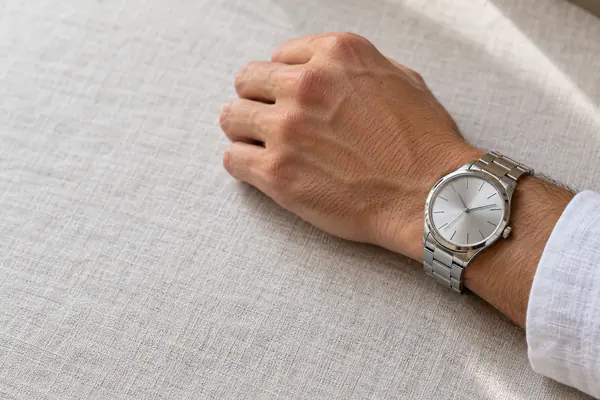
Wrist-watch cases, watch straps and tighteners are named in REACH: parts in direct and prolonged skin contact must not release over 0.5 µg/cm² a week.
Check an item skintechwear
00METAL NEXT TO SKIN
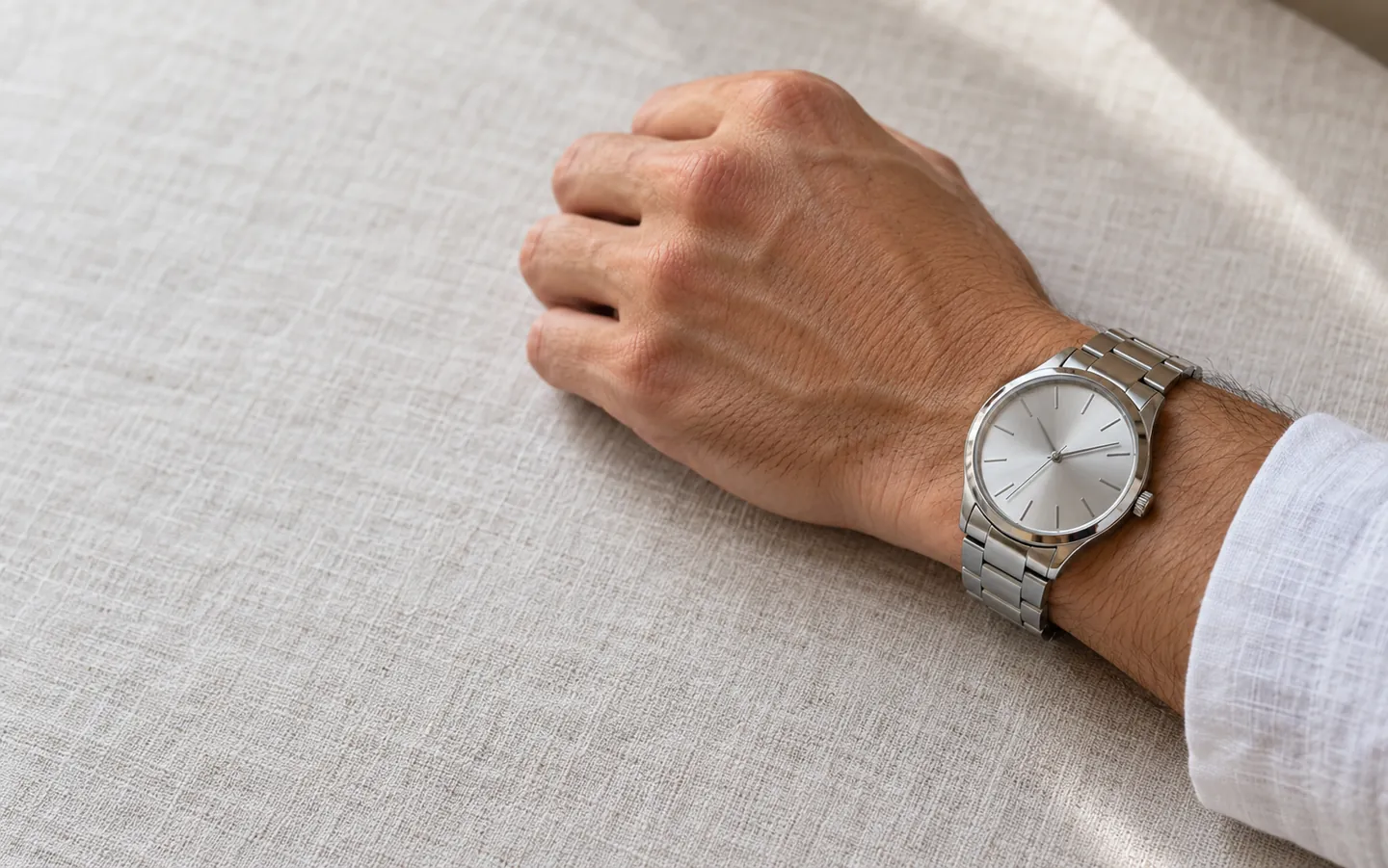
Watches, studs, clasps and rivets sit against skin for hours.
Some metals release a little nickel, and nickel is among the substances that can trigger allergic contact dermatitis. That is why worn items must meet a nickel release limit.
Check an item01Principles
02THE SHORT ANSWER
The law measures how much nickel comes out of an item,
not simply whether nickel is in it.
WATCHES
Wrist-watch cases, watch straps and tighteners are named in REACH: parts in direct and prolonged skin contact must not release over 0.5 µg/cm² a week.
Check an itemPIERCINGS
Posts inserted into pierced ears or other piercings must release less than 0.2 µg/cm² a week, a tighter limit than for other jewellery.
See the numbersCLOTHES
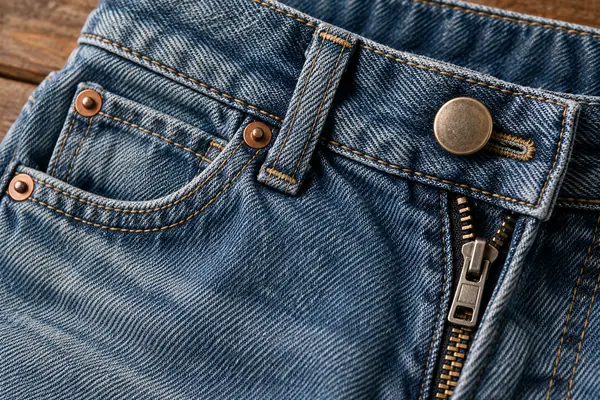
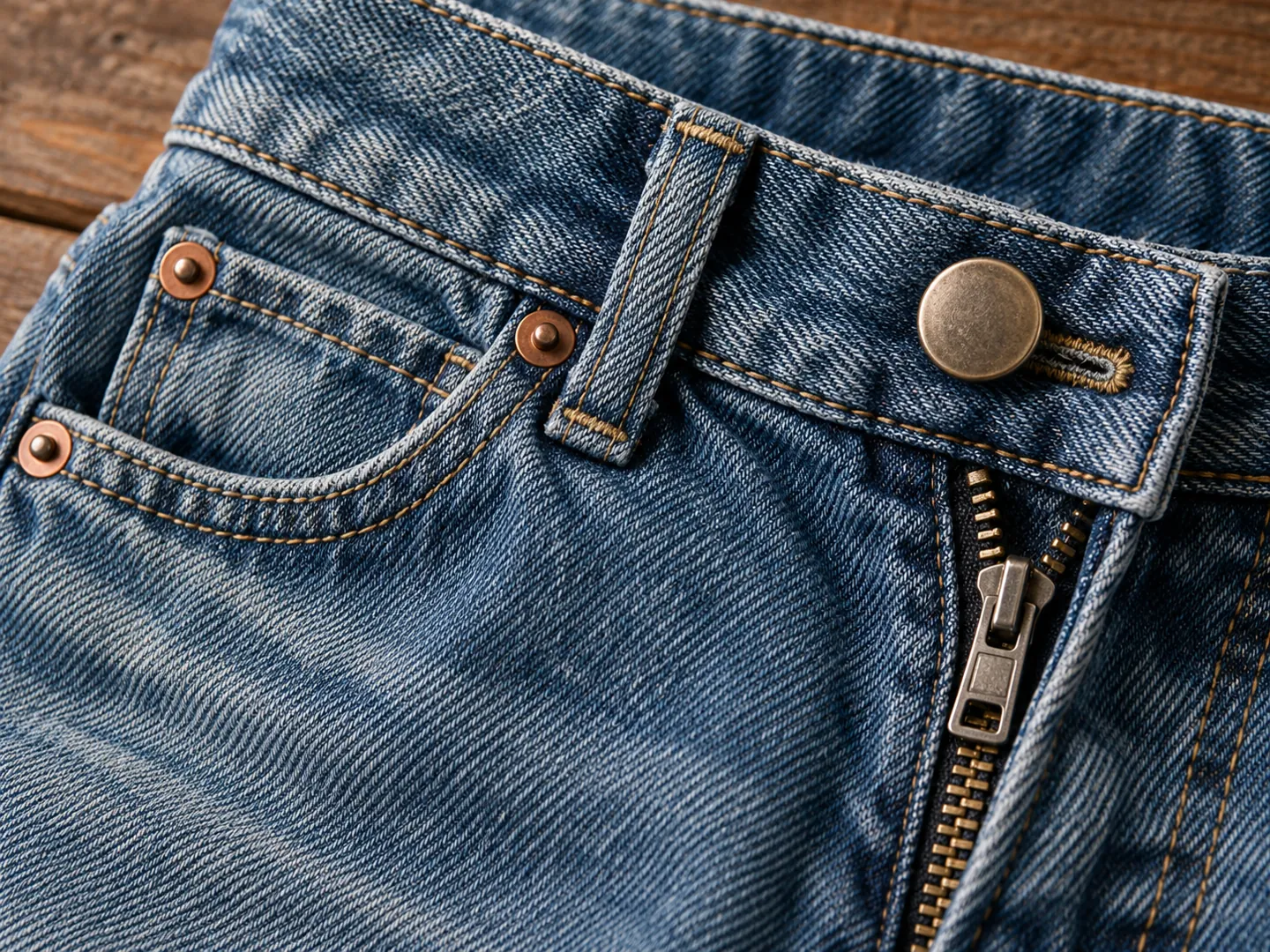
Rivet buttons, tighteners, rivets, zips and metal marks used in garments are covered by the same 0.5 µg/cm² limit.
What is not coveredGeneral information only, not medical advice. For advice about your own health, speak to a doctor, pharmacist or other qualified health professional.
03CHECK AN ITEM
Pick an everyday metal item to see how the REACH nickel restriction treats it. The bar shows how tightly its nickel release is limited.
Summarised from REACH Annex XVII, entry 27, as it applies in Great Britain, and an ESCD patient leaflet. General information, not medical advice.
04TWO NUMBERS WORTH KNOWING
One figure for the release limit,
one for what counts as prolonged contact.
0.5 µg/cm²/wk
Maximum nickel release for worn items
Applies to parts of earrings, necklaces, bracelets, rings, watch cases and straps, and garment rivets and zips that touch the skin directly and for a long time.
THE LIMIT · REACH
30 min
Skin contact that counts as prolonged
ECHA proposed that prolonged contact means more than 30 minutes on one or more occasions within two weeks, or more than 10 minutes on three or more occasions.
PROLONGED · ECHA
Compliance is tested with CEN standard methods. Denmark's environmental agency notes coated items are first put through a wear test simulating two years of use.
05WHAT THE NHS SAYS
The NHS explains contact dermatitis and the everyday steps that reduce the chance of a reaction.
Contact dermatitis can come from an irritant that damages skin, or an allergen, such as some metals including nickel.
The NHS says a reaction usually appears within a few hours or days of contact with the irritant or allergen.
The best prevention is to avoid contact with what triggers your symptoms; then the skin should eventually clear.
If you do touch a trigger, rinse with warm water and an emollient, and use emollients often to protect the skin.
06WHAT THE RULE DOES NOT COVER
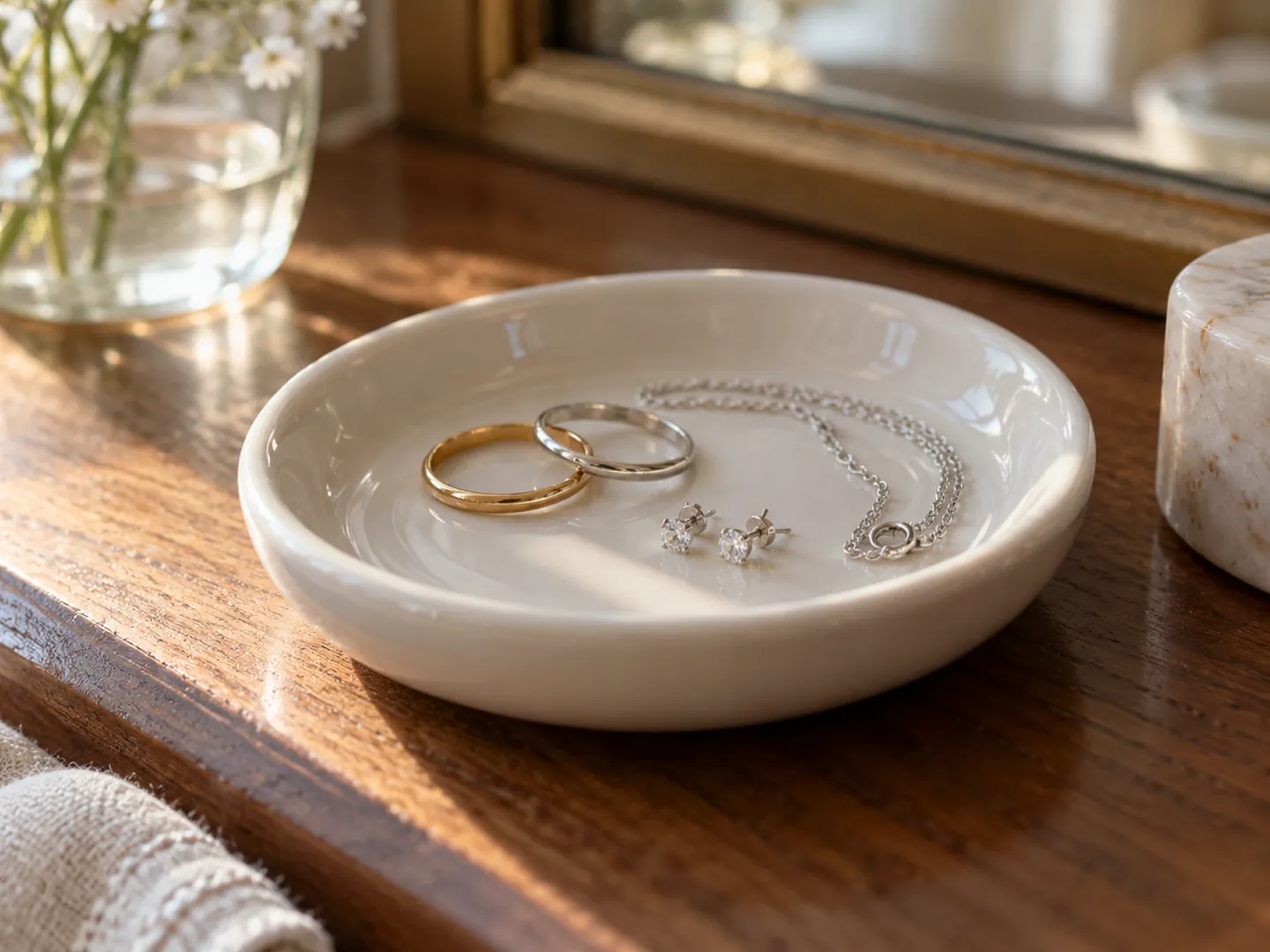
The ESCD leaflet lists many other sources of nickel, from keys, coins and scissors to razors, spectacle frames, musical instrument strings and tools. Items like these are not covered by the release limit.
The leaflet also notes a simple chemical spot test, the dimethylglyoxime or 'nickel spot test', can show whether a metal object releases nickel ions. The Danish environmental agency says such test kits are sold to consumers.
07Questions
The NHS lists metals such as nickel among the allergens that can trigger allergic contact dermatitis. The ESCD says the typical sign of nickel allergy is eczema.
Under REACH Annex XVII entry 27, parts of worn items in direct and prolonged skin contact must not release more than 0.5 µg of nickel per cm² per week. Piercing posts must release less than 0.2 µg.
Yes. Wrist-watch cases, watch straps and tighteners are named in the restriction, alongside earrings, necklaces, bracelets, chains, anklets and rings.
A non-nickel coating, such as plating, only meets the rule if it keeps nickel release within the limit for at least two years of normal use.
ECHA proposed more than 10 minutes on three or more occasions within two weeks, or more than 30 minutes on one or more occasions within two weeks.
08Sources
ABOUT THIS NAME
skintechwear.com is part of the DoodleSale portfolio. It isn't in an auction right now, but you can ask about leasing it.